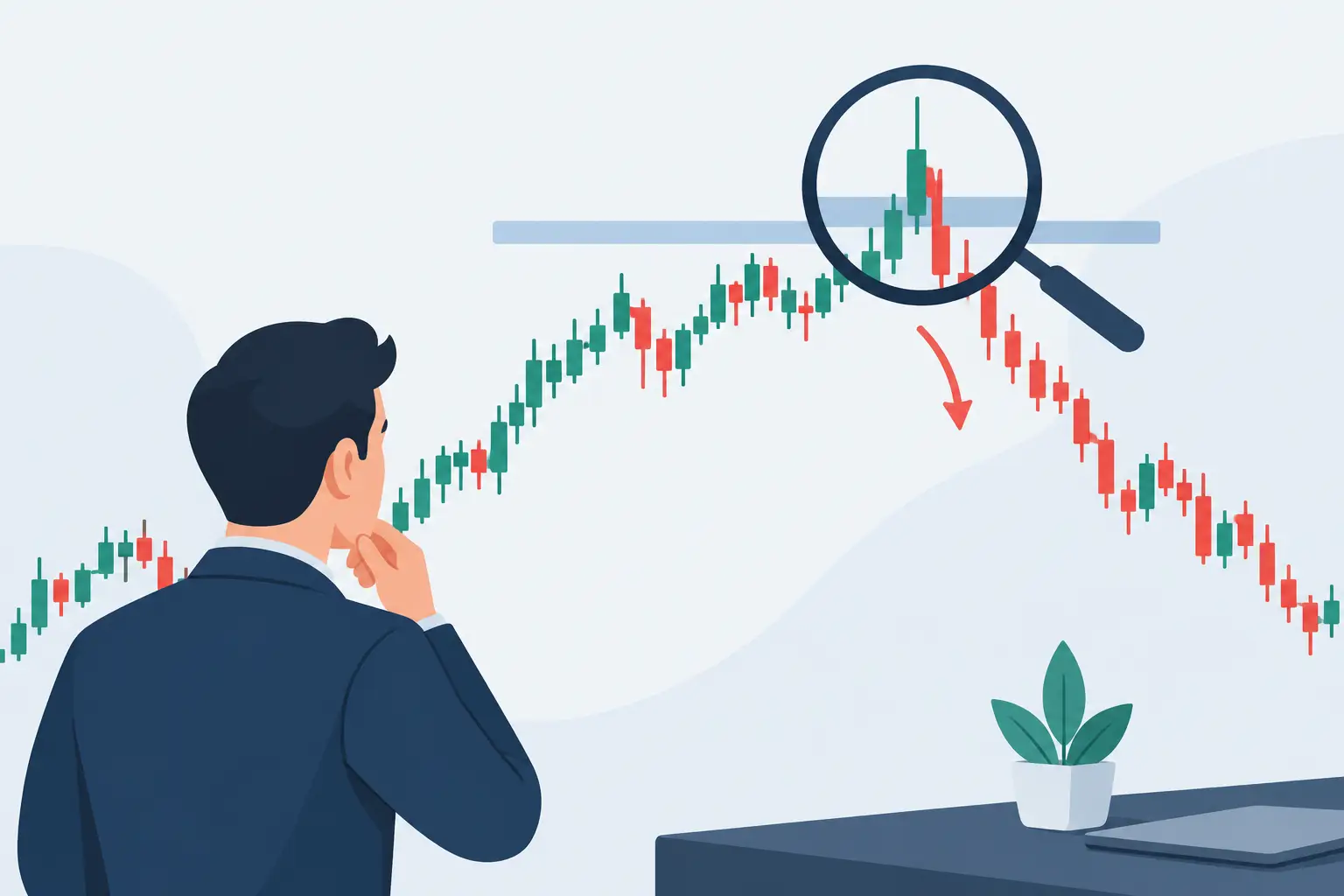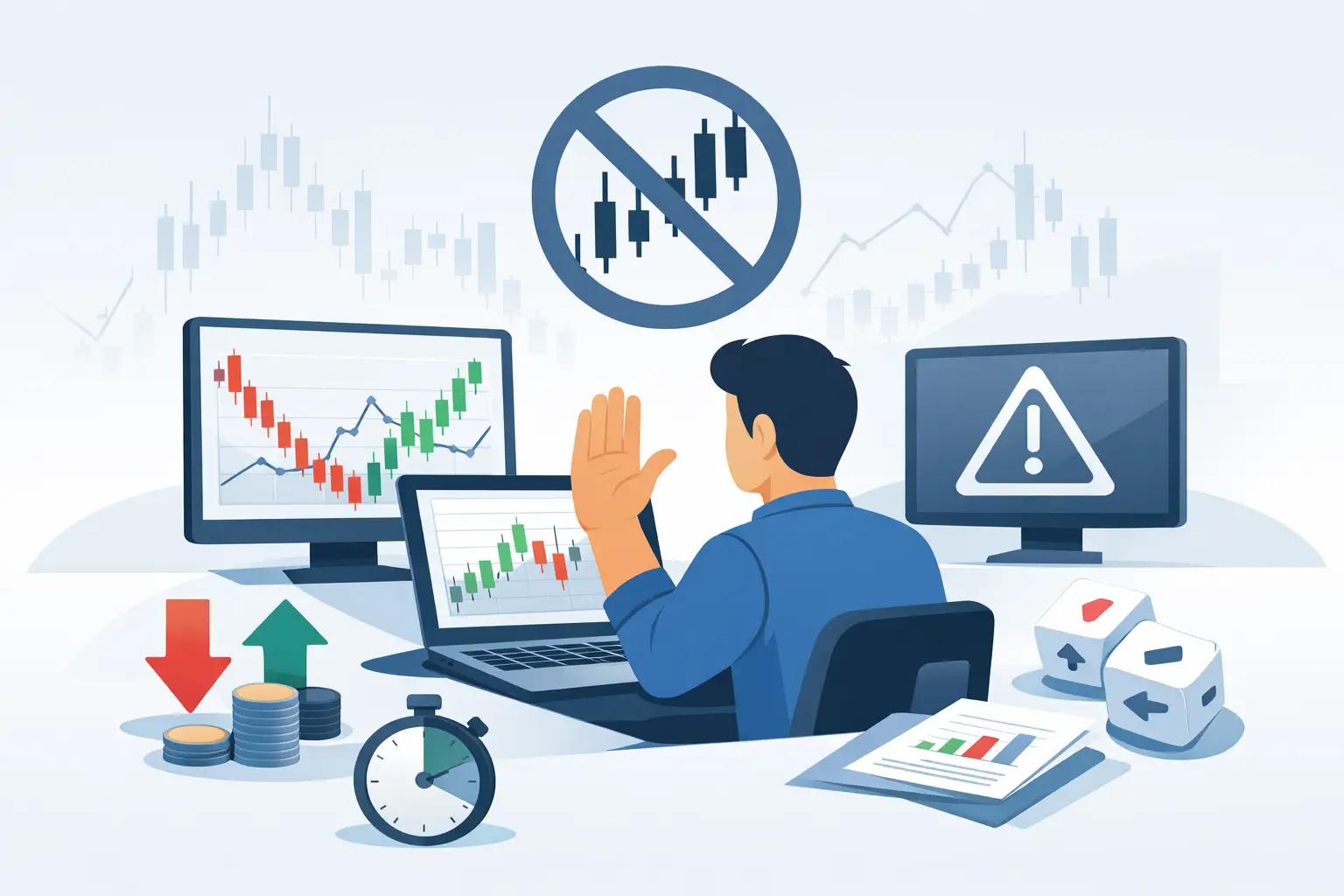
A green trade can create the same problem as a red one: the urge to take another trade before the market has offered a valid reason. That is where many accounts lose their structure. Learning how to avoid overtrading stocks is not about avoiding activity altogether. It is about refusing trades that do not meet your plan, even when the chart is moving and the opportunity feels urgent.
Overtrading usually does not begin with a lack of market knowledge. It begins with a lack of boundaries. A trader starts the day with a solid idea, then opens more charts, follows more alerts, takes a late entry, tries to recover a loss, or keeps pressing after a win. The number of trades rises while the quality of decisions falls.
For active traders, especially those working in the premarket or around the opening bell, discipline must be built into the routine before volatility arrives.
Why overtrading damages a trading process
More trades do not automatically create more opportunity. Every additional position requires a fresh decision about catalyst quality, liquidity, entry location, risk, and exit. When those decisions are made quickly and emotionally, standards tend to loosen.
Overtrading also increases friction. Spreads, commissions where applicable, slippage, and poorly timed exits can turn a marginal strategy into an unprofitable one. The damage is not always dramatic on a single trade. It often appears as a series of small, preventable losses that drain buying power and confidence.
The bigger cost is psychological. After several impulsive trades, traders commonly stop seeing the market clearly. They see a need to make back money, prove a prior decision right, or avoid missing the next move. That is no longer trade selection. It is emotional reaction.
A disciplined process accepts that most stocks moving on a given morning are not your trade. A market can offer dozens of headlines, gap-ups, and volume spikes. You only need one setup that fits your rules.
How to avoid overtrading stocks with a fixed daily plan
The practical answer is to decide what qualifies as a trade before the session begins. If the decision is delayed until a stock is already breaking out, the market is likely to make the decision for you.
Start by defining your trading window. A working professional may trade only from 7:00 to 9:30 AM Eastern Time. A full-time trader may have a longer session, but still benefit from defined periods for preparation, execution, and review. Unlimited screen time often leads to unlimited opportunities to force a trade.
Next, build a short premarket checklist. Your setup should identify the catalyst, relative volume, key premarket levels, likely areas of support and resistance, entry trigger, stop level, and realistic target or management plan. If you cannot explain why the trade is valid in a few direct sentences, it is probably not clear enough to take.
A focused routine can be more useful than a large watchlist. Seven01 is built around that principle: one selected setup, released before the outcome is known, with defined levels and a documented result. The point is not that one stock will trade perfectly every day. The point is that focused preparation reduces the impulse to chase every stock on the scanner.
Limit the number of planned attempts
A trade limit is not a punishment. It is a guardrail. For many developing traders, one to three planned attempts per day is enough to create meaningful data without creating decision fatigue. The right number depends on your strategy, account size, available time, and historical performance.
The limit should account for re-entries. If your plan permits a second entry after a stop-out, define the condition in advance. For example, a re-entry might be allowed only if the stock reclaims VWAP with sustained volume and the same catalyst remains relevant. A re-entry because "it has to bounce" is not a setup.
Once the limit is reached, step away from execution. You can still observe the market and record what happened. Watching without trading is a skill, and it prevents a difficult morning from becoming an account-damaging afternoon.
Use risk limits that end the debate
Position size and daily loss limits are among the strongest tools against overtrading because they turn vague discipline into an objective decision. Before the opening bell, know the dollar amount you are willing to risk on a single trade and the maximum loss that ends your trading day.
Your stop should be based on the trade thesis, not discomfort. If you are buying a breakout above a premarket high, the stop may sit below a defined support level or below the breakout area, depending on the stock's volatility and liquidity. Calculate position size from that distance. Do not take a larger position first and search for a stop afterward.
A daily loss limit is especially useful after consecutive losses. Two losses can be normal. A third trade may still be valid. But if the losses came from poor execution, late entries, or rule-breaking, the correct response is review, not another attempt. The market will be open tomorrow.
Consider setting four non-negotiable boundaries:
- A maximum dollar risk per trade.
- A maximum daily loss that ends new entries.
- A maximum number of trades or entries.
- A rule against increasing size to recover losses.
These rules work only if they are measured in real time. Keep the numbers visible on your trading platform, journal, or written plan. Do not rely on memory when volatility is high.
Separate valid re-entries from revenge trades
Not every second trade is overtrading. A re-entry can be rational when the original idea remains intact but the first execution did not work. Premarket and opening-range trading often involve false breaks, quick flushes, and level reclaims. The difference is whether the next entry has fresh confirmation.
Ask a simple question: would I take this exact trade if I had not lost money on the first one? If the answer is no, it is likely revenge trading.
Valid re-entries usually have a defined reason. The stock may hold higher low support, reclaim VWAP, break a key level with renewed volume, or consolidate above a previous resistance area. Revenge trades tend to have vague reasoning, larger size, and weaker entries. They are attempts to change an emotional outcome rather than follow market structure.
Reduce the triggers that create impulsive trades
Overtrading is often a workflow problem. Too many alerts, chat rooms, scanner filters, and social posts create a constant sense that action is required. If every moving stock gets your attention, eventually one will get your money.
Reduce your inputs during the execution window. Keep your primary chart, level map, and relevant news visible. Remove alerts that are unrelated to your plan. If you monitor scanners, use them to confirm unusual volume and relative strength, not as an endless source of random entries.
FOMO also deserves a direct rule: missed trades are not losses. A stock can run 30% without you, and your account remains unchanged. Chasing a move after the planned entry has passed can turn someone else's clean setup into your poor risk-reward trade.
The same applies after a strong win. Profit can lower discipline because it creates the feeling that the market is easy. If your daily goal or planned setup is complete, consider stopping. Protecting a good day is part of performance.
Review behavior, not just P&L
A trading journal should show more than entries and exits. Record whether the trade was planned, whether you followed your size rule, whether you entered at your trigger, and what you felt before clicking buy or sell. This turns overtrading from a personality flaw into a measurable behavior.
At the end of each week, review your trades in two groups: rule-following trades and rule-breaking trades. A losing trade that followed your process may be acceptable. A profitable trade that ignored your process is dangerous because it rewards bad behavior.
Look for patterns. Do you trade too much after 10:00 AM? Do losses lead to larger size? Do you take extra trades when a stock has already made an extended move? Once the pattern is specific, the correction can be specific.
A trader does not need to capture every gap, breakout, or headline-driven move. The durable edge is the ability to wait for a defined opportunity, take risk that fits the plan, and stop when the plan says stop. Some days, the best display of skill is closing the platform with capital, focus, and discipline still intact.